September 16, 2026
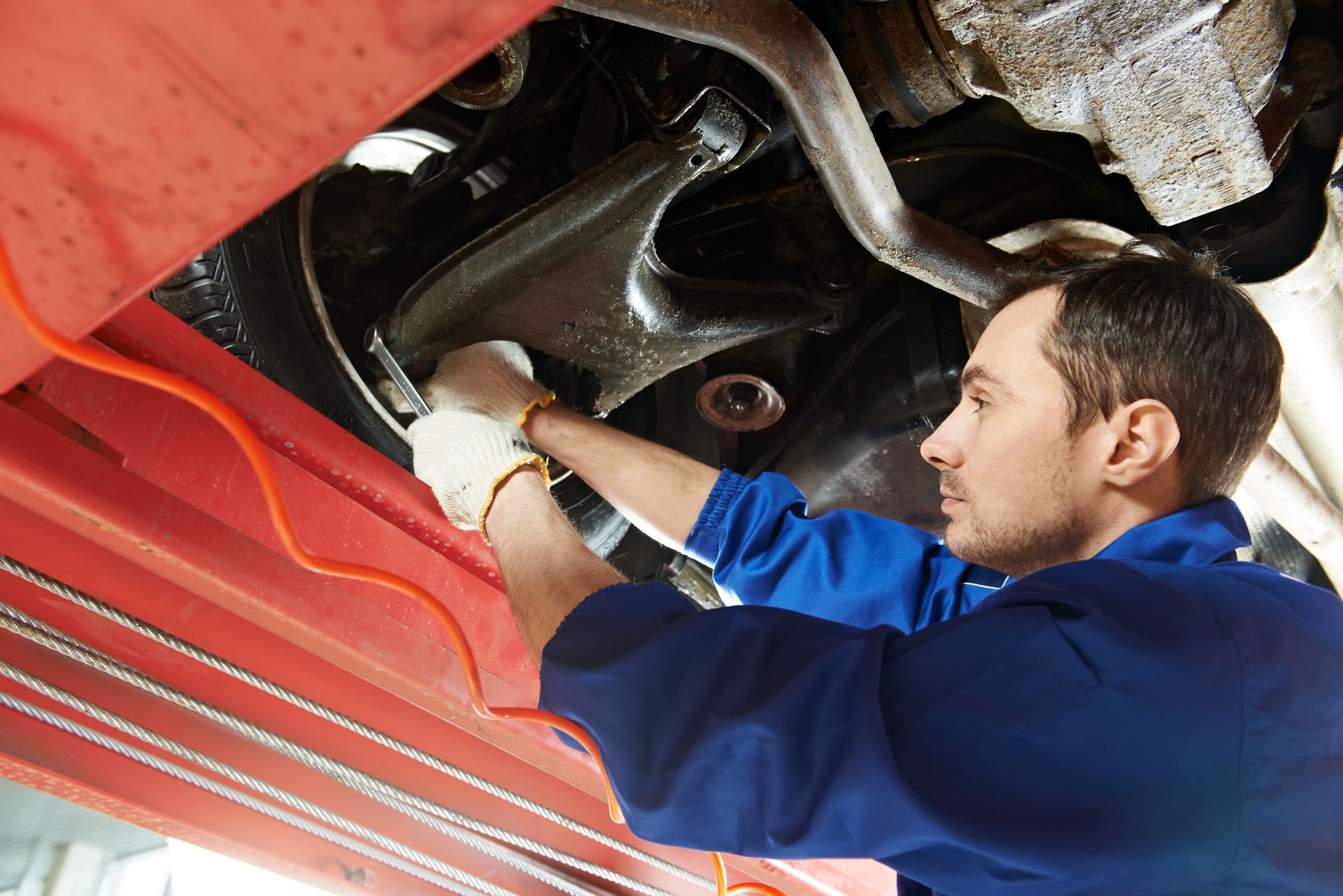
Diesel vehicles are known for their durability and performance, but they still require knowledgeable maintenance and timely repairs to remain in good working condition. Whether a diesel truck is used for work, transportation, towing, or everyday driving, owners need to understand where to turn when mechanical problems develop. Choosing the right repair professional involves more than finding someone who can complete a quick fix. Vehicle owners should feel comfortable asking questions about their truck, the recommended repairs, and the long-term condition of important components. Clear communication can help drivers better understand what is happening beneath the hood and why certain services may be necessary. It can also help establish a productive relationship between the vehicle owner and the repair professional. Asking the right questions before and during a service appointment can provide valuable information about the vehicle's condition and maintenance needs. Knowing what to discuss with a professional can help diesel owners make more informed decisions about protecting their investment.
Asking About Diesel Experience and Training
One of the first questions vehicle owners should ask involves the mechanic's experience with diesel engines. Diesel vehicles operate differently from standard gasoline-powered vehicles and often require specialized knowledge. Modern diesel engines may include advanced fuel systems, turbochargers, emissions components, and electronic controls that require specific diagnostic skills. A local diesel mechanic should be able to explain their experience working with different diesel engines and truck models. Owners can also ask whether the shop regularly services vehicles used for towing, commercial work, or high-performance applications. Understanding the mechanic's background can help drivers determine whether the shop is familiar with their particular needs. Specialized experience can be especially important when diagnosing complicated issues that involve multiple engine systems. Asking about training and experience gives vehicle owners a better understanding of the knowledge available to them before authorizing repairs.
Understanding the Recommended Repairs
Vehicle owners should never hesitate to ask why a particular repair has been recommended. A professional should be able to explain the problem in clear terms and describe how it affects the vehicle's performance. Understanding the cause of an issue can help owners make better decisions about the recommended service. It can also provide useful information about whether the problem requires immediate attention or should be monitored. A local diesel mechanic can explain which components are damaged, worn, or no longer functioning as intended. Drivers may also want to ask what could happen if the repair is delayed. Some problems can become more extensive when ignored and may eventually affect other systems. Clear explanations allow vehicle owners to better understand the value and purpose of the work being performed.
Discussing Maintenance Requirements
Regular maintenance plays an important role in the performance and longevity of diesel vehicles. Owners should ask which maintenance services are recommended based on their vehicle's age, mileage, and driving habits. Oil changes, fuel system maintenance, filter replacements, and fluid inspections may all be important parts of a diesel maintenance schedule. Vehicles used for heavy towing or commercial purposes may require different service intervals than trucks used primarily for personal transportation. According to Consumer Affairs, passenger vehicles and light trucks in the United States have an average age of 12.5 years, making proper maintenance increasingly important as vehicles remain on the road longer. Owners can ask about the condition of components that may need attention in the near future. This information can make it easier to plan and budget for future maintenance needs. Developing a clear maintenance strategy can help drivers avoid overlooking important services.
Identifying Potential Future Problems
A service appointment can provide an opportunity to learn about issues that have not yet caused noticeable symptoms. Vehicle owners can ask whether any components are beginning to show signs of wear or deterioration. Catching a developing problem early may allow drivers to address it before it leads to a breakdown. A local diesel mechanic may identify concerns involving belts, hoses, filters, suspension components, or other systems during an inspection. Owners should ask which issues require immediate attention and which ones can reasonably be monitored over time. Understanding the difference can help drivers prioritize maintenance and repair decisions. This conversation may also help prevent surprises during future service appointments. Being proactive about potential problems can support better vehicle reliability and reduce the chances of unexpected disruptions.
Learning About Diagnostic Procedures
Diesel vehicles can develop performance problems for many different reasons, which makes proper diagnostics essential. Owners should ask how the shop plans to identify the source of a problem before repairs begin. Modern diagnostic equipment can help technicians evaluate electronic systems and identify trouble codes. However, a trouble code alone may not always reveal the exact cause of a mechanical issue. Additional testing and inspection may be necessary to determine what repairs are actually required. A local diesel mechanic can explain the diagnostic process and provide information about what the initial findings mean. Vehicle owners should also ask whether additional testing may be needed if the problem is more complicated than expected. Understanding the diagnostic process can help drivers feel more informed about how repair decisions are made.
Comparing Parts and Repair Options
When a component needs to be replaced, vehicle owners may have questions about the parts being used during the repair. Different parts may be available depending on the vehicle, the type of repair, and the owner's performance expectations. Some owners may prefer original equipment components, while others may consider aftermarket alternatives. A professional can explain the differences between available options and discuss which parts are appropriate for the specific application. Drivers should also ask whether the replacement component is designed for standard driving, heavy-duty work, or performance use. The right choice may depend on how the vehicle is regularly used. Discussing these options can help ensure that repairs align with the owner's expectations and plans for the truck. Understanding the available parts can make it easier to feel confident about the work being completed.
Asking About Repair Timelines
Knowing how long a repair may take is important for drivers who depend on their vehicles for work or daily transportation. Owners should ask for an estimated timeline before leaving the vehicle at the shop. The actual repair schedule can depend on the complexity of the problem and the availability of necessary parts. Some services may be completed quickly, while extensive engine or transmission work may require additional time. A local diesel mechanic can provide updates if unexpected issues are discovered during the repair process. Drivers should also ask how the shop communicates changes to the estimated completion date. Clear communication can help owners make transportation arrangements and manage their schedules more effectively. Understanding the expected timeline helps reduce uncertainty while the vehicle is being serviced.
Building a Long-Term Service Relationship
Finding a dependable repair professional can be beneficial for diesel vehicle owners over the long term. A mechanic who becomes familiar with a particular truck may have a better understanding of its service history and recurring concerns. Maintaining records of previous repairs and maintenance can also help identify patterns over time. Vehicle owners should ask whether the shop provides recommendations for future service based on the truck's current condition. Regular visits can create opportunities for technicians to monitor important systems and identify changes before they become serious. A
local diesel mechanic can become a valuable resource for answering questions about maintenance, repairs, performance, and upgrades. This ongoing relationship can make future service appointments more efficient because the shop already understands the vehicle's history. Building a connection with experienced professionals can give diesel owners greater confidence in how their trucks are maintained.
When your diesel truck needs experienced service, repairs, or performance support, turn to Coy's Diesel Sales, Service & Performance. Contact us today to speak with knowledgeable professionals and schedule service for your diesel vehicle.