November 16, 2026
Diesel engines are built to handle demanding workloads, making them a popular choice for commercial trucks, heavy-duty vehicles, agricultural equipment, and other machinery. Their durability and performance depend on proper maintenance, knowledgeable repairs, and attention to the systems that keep them operating efficiently. Understanding how these engines work can help vehicle owners make informed decisions about maintenance and recognize when professional service is necessary.
Diesel mechanics play an important role in keeping vehicles dependable and addressing mechanical concerns before they develop into more serious problems. From diagnosing engine performance issues to maintaining fuel delivery systems, their work involves a combination of technical knowledge, specialized equipment, and practical experience. Learning about their responsibilities and the services they provide can help vehicle owners better understand what it takes to maintain a diesel-powered vehicle.
1. Understand the Responsibilities of Diesel Mechanics
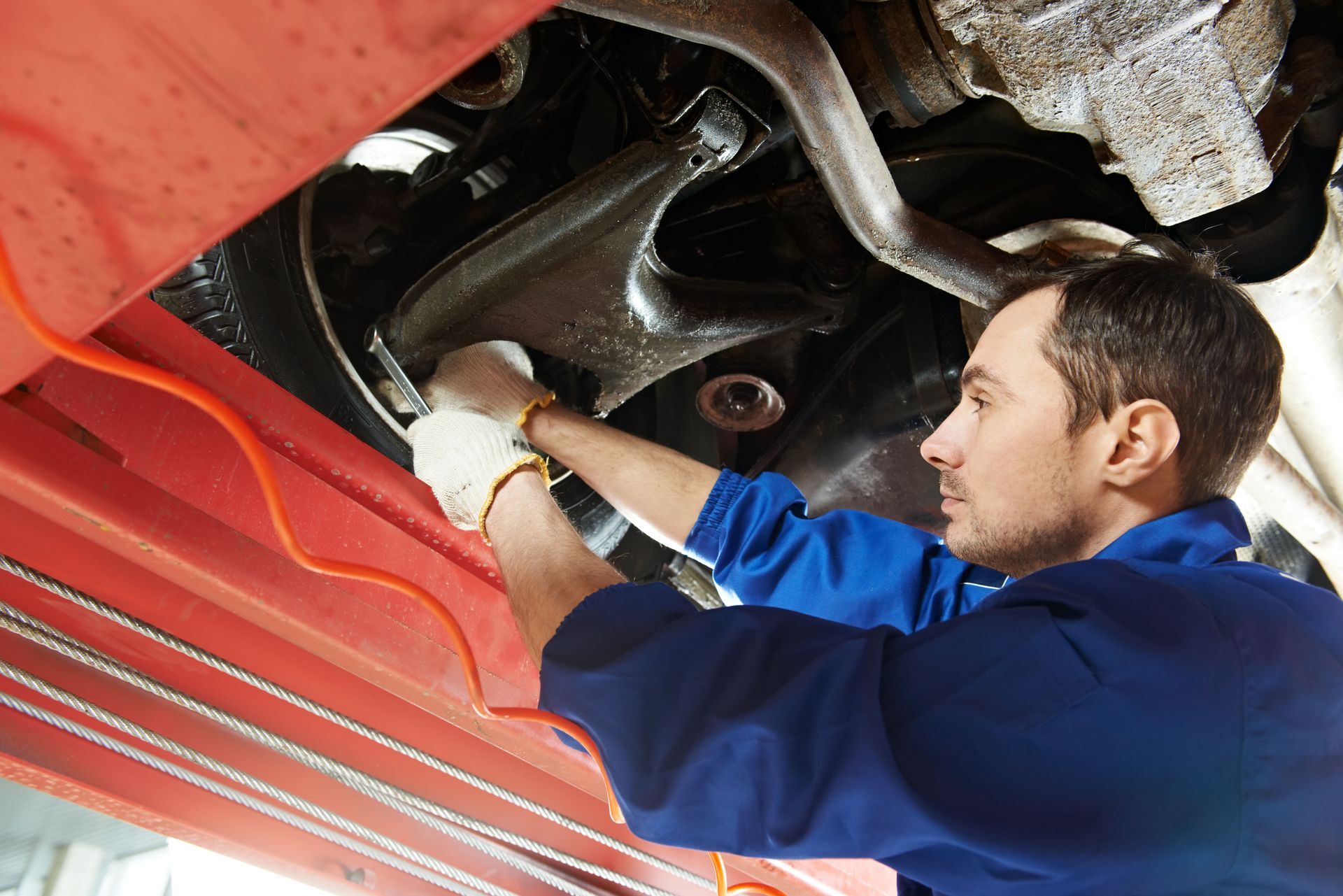
Working with diesel engines requires an understanding of how different mechanical and electrical systems function together. Technicians inspect engines, identify performance concerns, repair damaged components, and perform routine maintenance. Their responsibilities can extend beyond the engine itself to include transmissions, cooling systems, fuel systems, exhaust components, and electrical connections.
Diesel mechanics also use diagnostic equipment to investigate problems that may not be immediately visible. Modern diesel vehicles often contain electronic control systems that monitor engine performance and communicate potential malfunctions. Understanding diagnostic information allows technicians to narrow down possible causes instead of relying entirely on visual inspections or guesswork.
Their work also involves explaining repair findings and maintenance recommendations to vehicle owners. Clear communication helps customers understand which issues require immediate attention and which services can be planned for future maintenance. This approach supports better vehicle care and helps owners make practical decisions about their equipment.
2. Recognize the Importance of Routine Maintenance
Regular maintenance is essential for preserving diesel engine performance. Oil changes, filter replacements, fluid inspections, and cooling system checks help prevent unnecessary wear and support dependable operation. Because diesel vehicles frequently operate under demanding conditions, following an appropriate maintenance schedule is particularly important.
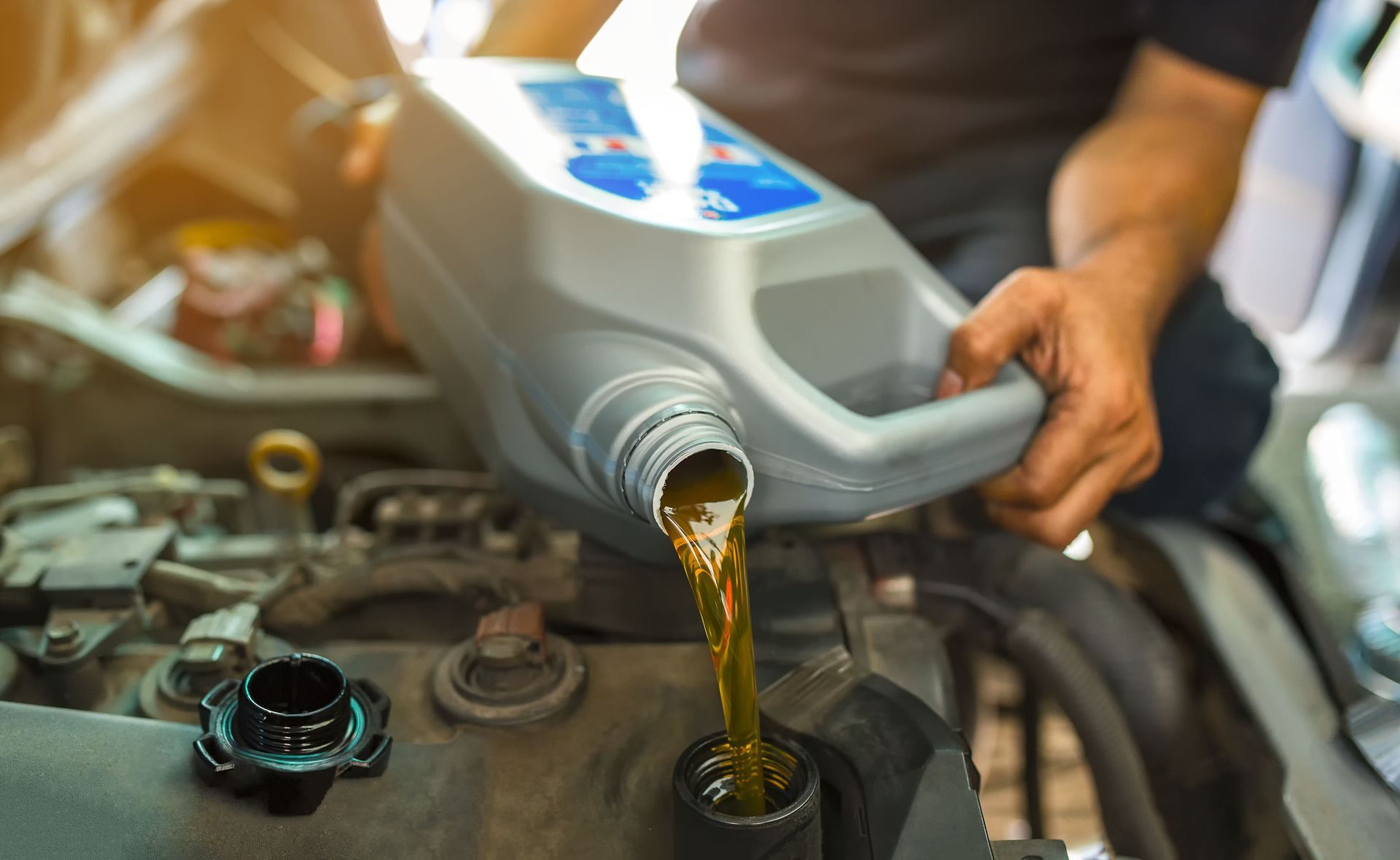
Oil plays an important role in lubricating internal engine components and reducing friction. Over time, oil can accumulate contaminants and lose some of its protective properties. Replacing it according to manufacturer recommendations helps maintain proper lubrication and reduces the risk of avoidable engine damage. Air and fuel filters also require attention because restricted airflow or contaminated fuel can interfere with normal operation.
According to NTTR Directory, taking a proactive approach to vehicle care can help components remain functional for longer. This reinforces the importance of addressing maintenance needs before they develop into more complicated mechanical concerns. Consistent inspections give technicians opportunities to identify developing problems and recommend appropriate service.
3. Learn How Diesel Fuel Systems Operate
The fuel system is one of the most important parts of a diesel engine. It delivers fuel to the engine under carefully controlled conditions, allowing combustion to produce the power needed for vehicle operation. Components such as fuel pumps, injectors, filters, and fuel lines must work together to maintain consistent performance.
Fuel injectors are particularly important because they deliver precisely controlled amounts of fuel into the combustion chambers. When injectors become clogged, worn, or damaged, the engine may experience rough idling, reduced power, excessive smoke, or difficulty starting. These symptoms can affect overall drivability and may indicate that professional inspection is necessary.
Fuel quality also influences how well the system performs. Contaminated fuel can introduce debris or moisture that damages sensitive components and interferes with fuel delivery. Proper filtration and attention to fuel system maintenance help reduce these risks. When problems occur, diesel mechanics can inspect the affected components, perform diagnostic testing, and determine whether cleaning, repair, or replacement is appropriate.
4. Identify Common Diesel Engine Problems
Although diesel engines are designed for durability, they can still develop mechanical problems through normal use, insufficient maintenance, or demanding operating conditions. Recognizing unusual changes in performance can help vehicle owners seek assistance before additional damage occurs.
Starting difficulties are a common concern. Weak batteries, faulty glow plugs, fuel delivery problems, and electrical malfunctions can all make it difficult for an engine to start. Cold temperatures may also affect starting performance, particularly when components responsible for supporting combustion are not functioning correctly.
Other warning signs include unusual engine noises, excessive exhaust smoke, overheating, fluid leaks, and unexpected power loss. Each symptom can have several possible causes, which makes accurate diagnosis important. Replacing components without identifying the underlying issue may lead to unnecessary expenses without resolving the original problem.
Diesel mechanics use their knowledge of engine systems and diagnostic tools to investigate these concerns. A thorough inspection helps identify the source of a malfunction and determine the appropriate repair. Addressing problems promptly can also help prevent related components from experiencing additional strain.
5. Appreciate the Role of Diagnostic Technology
Modern diesel engines rely on sophisticated technology to monitor and regulate performance. Electronic control modules communicate with sensors throughout the vehicle, collecting information about operating conditions and identifying irregularities. This technology allows technicians to investigate issues that may not produce obvious physical symptoms.
Diagnostic scanners can retrieve fault codes and provide information about systems that may require attention. However, a fault code does not automatically identify a failed component. It indicates that a monitored condition falls outside an expected range, which means additional testing may be necessary to determine the actual cause.
Experienced diesel mechanics combine diagnostic information with hands-on inspections and mechanical testing. This combination helps distinguish between sensor problems, wiring issues, mechanical failures, and other potential causes. Accurate troubleshooting is important because it supports effective repairs rather than temporary solutions.
Technology also continues to influence diesel engine servicing. Improvements in emissions controls, electronic fuel injection, and engine management systems require technicians to stay familiar with changing equipment and repair procedures. Keeping up with these developments helps service professionals work effectively with modern vehicles while maintaining their understanding of traditional diesel systems.
6. Choose Professional Service for Long-Term Reliability
Selecting a qualified diesel service provider is an important part of vehicle ownership. Diesel engines contain specialized components that require appropriate tools, technical knowledge, and experience to inspect and repair correctly. Working with knowledgeable professionals can help ensure that maintenance and repair recommendations address the vehicle's actual needs.
When evaluating a service provider, consider the range of services offered and the types of diesel vehicles they regularly work on. A shop that understands the specific requirements of your truck or equipment may be better prepared to identify problems and recommend suitable repairs. It is also helpful to look for technicians who communicate clearly about inspection findings, repair options, and maintenance priorities.
Professional service is valuable even when a vehicle appears to be operating normally. Routine inspections can reveal developing concerns involving belts, hoses, cooling components, electrical connections, and other systems. Taking care of these issues can help maintain dependable operation and reduce the likelihood of unexpected breakdowns.
Vehicle owners should also pay attention to changes in how their engines perform between scheduled maintenance appointments. Unusual sounds, warning lights, fluid loss, or changes in fuel efficiency may indicate that an inspection is needed.
Maintaining a diesel vehicle involves more than responding to mechanical failures. It requires an ongoing commitment to inspections, appropriate maintenance, and timely repairs.
For dependable maintenance, knowledgeable repairs, and support for your diesel vehicle, contact Coy's Diesel Sales, Service & Performance. Schedule professional service today and take the next step toward keeping your diesel engine running reliably.